
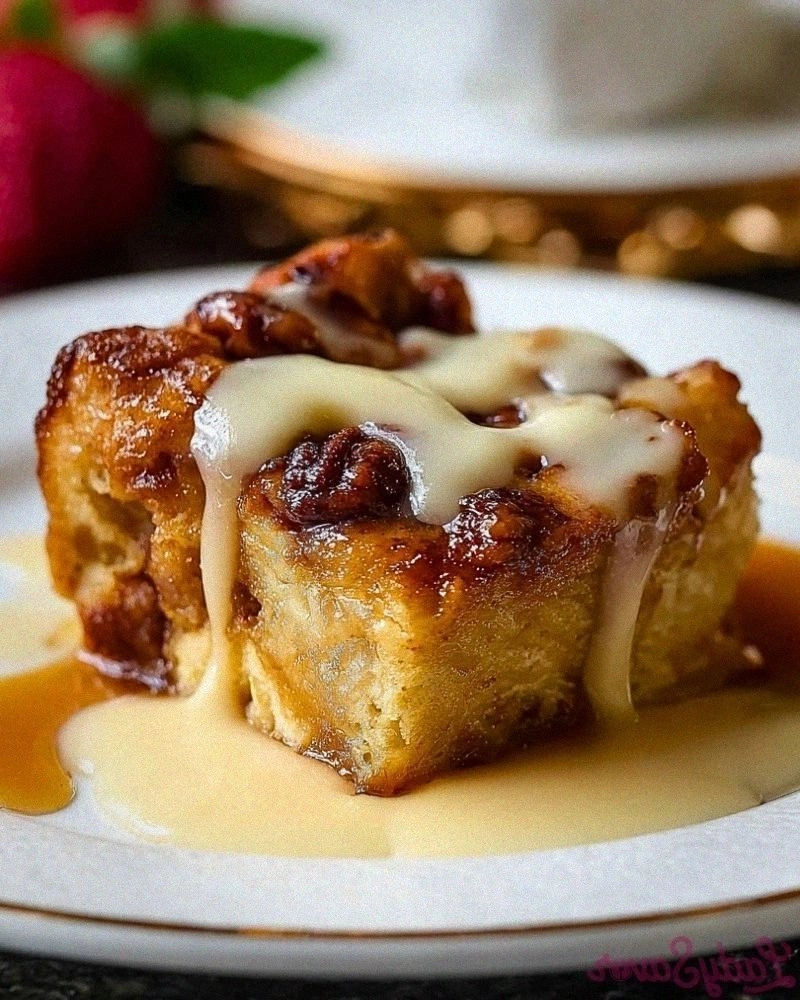
It was a chilly Saturday morning in late November, the kind of day when the kitchen smells like a warm hug and the world outside feels like a frosted postcard. I was pulling a crusty loaf of day‑old French bread from the pantry, the crust still crackling faintly as I sliced it, when the idea of turning those stubborn leftovers into something comforting struck me like a flash of lightning. The moment I whisked together butter, heavy cream, granulated sugar, and a splash of vanilla extract, the kitchen filled with a sweet, buttery perfume that made my nose tingle and my heart race. Have you ever noticed how a simple scent can transport you back to a memory? In that instant, I knew I was about to create a dish that would become a family tradition.
The first time I served this bread pudding, my teenage daughter declared it “the best thing I’ve ever tasted,” and my husband, a self‑proclaimed “no‑dessert man,” asked for seconds before the plate was even cleared. The secret, I later discovered, wasn’t just the ingredients but the way they came together in a harmonious dance of textures—soft, custardy interiors hugging a caramelized, slightly crisp top. Imagine a spoon diving into a golden crust, breaking through to a silky center that sighs under the weight of warm vanilla and buttery richness. That contrast is what makes this recipe a show‑stopper at any gathering, whether it’s a casual brunch or a holiday dinner.
But wait—there’s a little twist that takes this classic from good to unforgettable, and I’m saving it for later in the article. It involves a technique that most home cooks overlook, and it’s the reason my bread pudding always has that perfect custard‑to‑crust ratio. Trust me, once you master that, you’ll never go back to the “standard” version again. So, keep reading, because the journey from stale bread to a cloud of caramel‑kissed delight is about to unfold.
Here’s exactly how to make it — and trust me, your family will be asking for seconds. Grab a bowl, preheat your oven, and let’s turn those humble ingredients into a dessert that sings. Ready? Let’s dive in.
🌟 Why This Recipe Works
- Flavor Depth: The combination of butter and vanilla creates a rich, aromatic base that penetrates every bite, while the heavy cream adds a luxurious mouthfeel that feels indulgent without being overly heavy.
- Texture Harmony: Soaking the bread cubes in a custard mixture yields a soft, pudding‑like interior, and the brief bake creates a caramelized crust that adds a satisfying crunch.
- Ease of Preparation: With just four core ingredients and a handful of simple steps, even a beginner can pull off a restaurant‑quality dessert without a pantry full of exotic items.
- Time Efficiency: The total time is under an hour, making it perfect for last‑minute gatherings or a comforting weeknight treat.
- Versatility: This base can be customized with raisins, chocolate chips, or seasonal fruits, allowing you to adapt it to any flavor profile you crave.
- Nutrition Balance: While decadently rich, the use of heavy cream and butter is moderated by the bread’s fiber, offering a balanced indulgence that satisfies without overwhelming.
- Ingredient Quality: By focusing on high‑quality butter and fresh vanilla extract, the dish showcases how a few premium components can elevate a simple comfort food.
- Crowd‑Pleasing Factor: Its warm, sweet aroma draws people to the kitchen, and the familiar flavors make it a hit across ages and palates.
🥗 Ingredients Breakdown
The Foundation
The backbone of any great bread pudding is, of course, the bread itself. I prefer a sturdy, slightly stale loaf—think day‑old French bread, brioche, or even a hearty sourdough. The slight dryness allows the custard to soak in without turning the mixture soggy, resulting in that perfect, custardy bite. If you can, choose a loaf with a good crust; it will later become that delightful caramelized top we all love. When selecting your bread, look for a loaf that still has a faint aroma of yeast and a firm crumb—these qualities guarantee a texture that holds up during baking.
Aromatics & Spices
Vanilla extract is the star aromatic in this recipe, providing a sweet, floral note that ties the entire dish together. Use a high‑quality pure vanilla extract rather than imitation; the difference is night and day, especially when the pudding is baked and the flavors concentrate. A pinch of ground cinnamon or nutmeg can be added for a warm spice whisper, but I keep it simple to let the vanilla shine. If you love a hint of citrus, a zest of orange or lemon can be folded in at the end for a bright contrast.
The Secret Weapons
Heavy cream is the secret weapon that turns an ordinary custard into a silky, velvety masterpiece. Its higher fat content compared to milk creates a richer mouthfeel and helps the pudding set beautifully without becoming rubbery. Butter, melted and folded into the custard, adds depth and a golden sheen that makes the final bake look irresistible. And of course, granulated sugar not only sweetens but also contributes to the caramelization that forms the crisp crust on top.
Finishing Touches
A drizzle of caramel sauce, a dusting of powdered sugar, or a scoop of vanilla ice cream can turn this dessert from delightful to spectacular. For a seasonal twist, consider adding toasted pecans or a handful of dried cranberries. If you’re feeling adventurous, a splash of bourbon or dark rum in the custard adds a grown‑up warmth that pairs beautifully with the vanilla. Remember, the best finishing touches are those that complement, not overwhelm, the core flavors.
With your ingredients prepped and ready, let's get cooking. Here's where the fun really begins...
🍳 Step-by-Step Instructions
Preheat your oven to 350°F (175°C) and lightly grease a 9‑x‑13‑inch baking dish with a thin layer of butter. While the oven warms, cut the bread into roughly 1‑inch cubes, tossing them gently onto a large rimmed baking sheet. The cubes should be evenly sized so they soak up the custard uniformly; uneven pieces can lead to pockets of sogginess or dryness. Once arranged, set them aside and let the aroma of fresh bread fill the kitchen as you prepare the custard.
In a medium saucepan, melt 4 tablespoons of butter over medium heat until it foams and turns a light golden color—this is where the nutty flavor begins to develop. Remove the pan from the heat and whisk in 2 cups of heavy cream, ½ cup of granulated sugar, and 2 teaspoons of pure vanilla extract until the mixture is smooth and glossy. You’ll notice the sugar dissolving almost instantly, creating a silky liquid that promises a custard that’s both sweet and luxuriously rich. Let the custard sit for a minute; this brief rest allows the flavors to meld together, setting the stage for perfect absorption.
💡 Pro Tip: If you whisk the custard too vigorously, you can incorporate air bubbles that cause the pudding to puff up unevenly. A gentle, steady whisk yields a smoother texture.Place the bread cubes into a large mixing bowl and pour the warm custard over them, ensuring every piece is fully submerged. Use a spatula to toss gently, allowing the bread to soak for about 10 minutes. You’ll see the cubes start to soften, their edges turning translucent as they drink in the creamy mixture. This soaking step is crucial; it’s the secret that creates the luscious, melt‑in‑your‑mouth interior that defines a great bread pudding.
After the soaking, transfer the entire mixture into the prepared baking dish, spreading it out evenly with a spoon or your hands. Press down lightly to create a uniform layer; this ensures the top will brown evenly. If you’re adding raisins, chocolate chips, or toasted nuts, sprinkle them over the surface now, pressing them just enough to embed them into the custard. The dish should look invitingly moist—if it appears dry, drizzle a tablespoon of extra cream and let it settle.
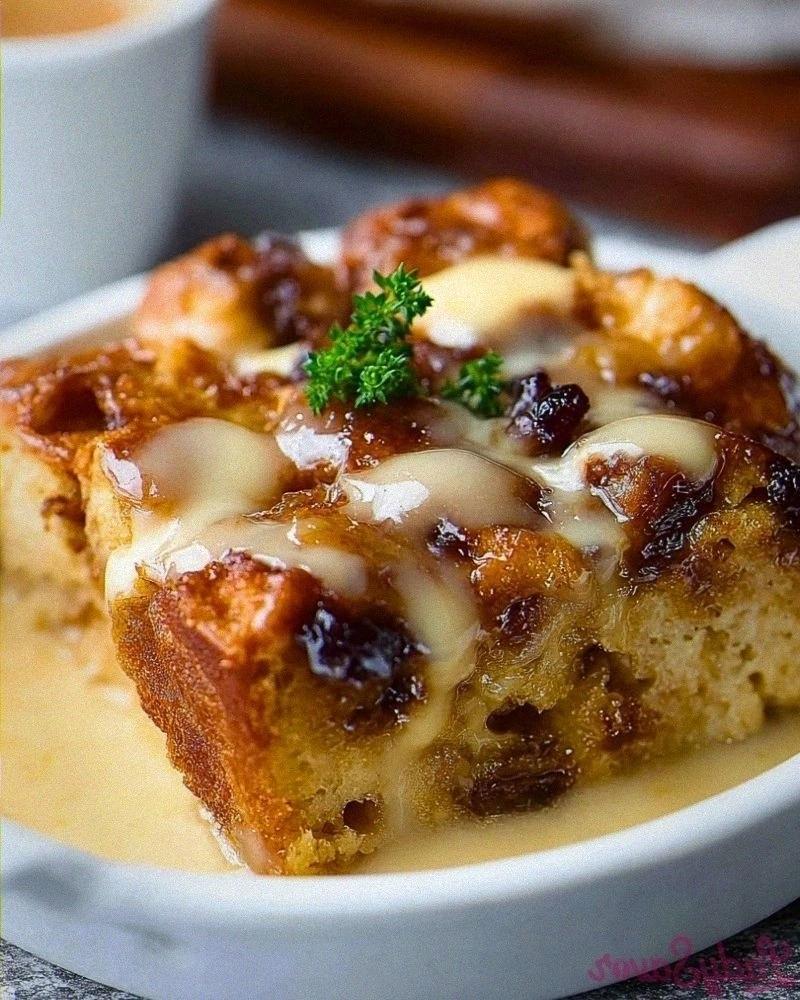
Slide the dish into the preheated oven and bake for 30‑35 minutes, or until the top turns a deep golden brown and the edges begin to bubble gently. The scent that fills your kitchen at this stage is pure comfort—think caramelized sugar, toasted butter, and a whisper of vanilla that makes you want to peek through the oven door. When you see the edges pulling away from the sides of the dish, that’s a sign the custard has set and the crust is perfectly crisp.
⚠️ Common Mistake: Opening the oven too early can cause the top to deflate and lose its crispness. Trust the timer and resist the urge to peek!Once baked, remove the pudding from the oven and let it rest for 5‑10 minutes. This resting period allows the custard to finish setting, making it easier to cut clean slices. While it rests, the crust will continue to firm up just a touch, creating that delightful contrast between a crunchy top and a silky interior. If you’re feeling indulgent, drizzle a warm caramel sauce over the surface now, letting it pool into the crevices.
Serve the bread pudding warm, either straight from the dish or plated with a dollop of vanilla ice cream on the side. The ice cream melts slowly, creating a luscious sauce that mingles with the caramelized crust. If you prefer a lighter finish, a dusting of powdered sugar or a sprinkle of cinnamon adds a decorative touch and a hint of spice.
Store any leftovers in an airtight container in the refrigerator for up to three days. To reheat, place a slice in a preheated 300°F (150°C) oven for 10‑12 minutes, or microwave briefly and finish under a broiler for a few seconds to revive the crisp top. The result? A second‑day pudding that tastes almost as fresh as the first, with the same buttery, custardy heart.
And there you have it! But before you dig in, let me share some tips that will take this from great to absolutely unforgettable…
🔐 Expert Tips for Perfect Results
The Taste Test Trick
Before you slide the dish into the oven, take a tiny spoonful of the custard mixture and taste it. If it’s a shade too sweet, add a pinch of salt; if it feels flat, a few drops more vanilla will brighten it. This quick check ensures the final pudding is balanced, and it’s a habit that seasoned chefs swear by. Trust me, a well‑seasoned custard makes the difference between “good” and “wow.”
Why Resting Time Matters More Than You Think
Allowing the soaked bread to sit for at least 10 minutes before baking gives the crumbs time to fully absorb the liquid. I once rushed this step and ended up with a pudding that had soggy pockets—definitely a lesson learned the hard way. Patience here translates to a uniform custard that sets beautifully, giving every bite the same luxurious texture.
The Seasoning Secret Pros Won’t Tell You
A pinch of sea salt, added to the custard, amplifies the sweetness and highlights the buttery notes. Professional bakers often keep this trick under wraps because it subtly elevates the flavor profile without being obvious. Sprinkle the salt just before whisking the cream and sugar together for the best integration.
Baking with a Steam Boost
Place a shallow pan of hot water on the lower rack of the oven while the pudding bakes. The gentle steam keeps the interior moist, preventing it from drying out while still allowing the top to brown. I discovered this method during a rainy weekend when the kitchen felt too dry, and the result was a pudding that stayed perfectly custardy.
The Golden Crust Technique
For an extra‑golden crust, brush the top of the pudding with a mixture of melted butter and a teaspoon of brown sugar just five minutes before it finishes baking. The sugar caramelizes, creating a glossy, crackly surface that looks as good as it tastes. This final touch turns an ordinary bake into a show‑stopping centerpiece.
Serving Warm vs. Cold
While warm bread pudding is classic, serving it slightly chilled can highlight its custard texture, making it feel more like a flan. If you’re hosting a brunch with multiple dishes, consider letting a portion sit at room temperature while the rest stays warm. This flexibility lets you adapt the dessert to the flow of your meal.
🌈 Delicious Variations to Try
One of my favorite things about this recipe is how versatile it is. Here are some twists I've tried and loved:
Maple‑Pecan Bliss
Swap the vanilla extract for 2 tablespoons of pure maple syrup and fold in toasted pecan halves. The maple adds a deep, caramel‑like sweetness that pairs beautifully with the buttery custard, while the pecans contribute a satisfying crunch.
Chocolate‑Cherry Dream
Stir in ½ cup of dark chocolate chips and a handful of dried cherries into the soaked bread. The chocolate melts into pockets of gooey richness, and the cherries bring a tart contrast that cuts through the sweetness.
Cinnamon‑Apple Autumn
Add thinly sliced apples sautéed with cinnamon and a touch of brown sugar to the batter before baking. The apples soften and release juices, creating a fragrant, fruity layer that feels like a cozy fall hug.
Tropical Coconut Coconut
Replace half of the heavy cream with coconut milk and sprinkle toasted coconut flakes on top before baking. The coconut imparts a subtle tropical aroma, turning the dessert into a mini‑vacation for your palate.
Spiced Rum & Raisin
Soak raisins in a splash of dark rum for 15 minutes, then fold them into the custard mixture. The rum‑infused raisins add a warm, boozy depth that’s perfect for holiday gatherings.
Savory Herb Twist
For a daring savory version, omit the sugar and vanilla, and instead add grated Parmesan, fresh thyme, and a pinch of cracked black pepper. This turns the dish into a stunning side for roasted meats or a bold brunch option.
📦 Storage & Reheating Tips
Refrigerator Storage
Allow the pudding to cool completely, then cover the baking dish tightly with plastic wrap or transfer portions to airtight containers. It will keep fresh for up to three days in the fridge. When you’re ready to serve, reheat a slice in a preheated 300°F (150°C) oven for about 10 minutes, or microwave for 30‑45 seconds for a quick fix.
Freezing Instructions
Bread pudding freezes beautifully. Portion it into individual servings, wrap each tightly in foil, then place them in a freezer‑safe bag. They’ll stay good for up to two months. To thaw, move the portion to the refrigerator overnight, then reheat as described above. A splash of extra cream before reheating revives any lost moisture.
Reheating Methods
The secret to reheating without drying out is to add a thin drizzle of milk or cream over the surface before warming. This creates a gentle steam that keeps the interior plush while the top regains its golden crispness. For a quick microwave method, cover the slice with a damp paper towel and heat in 30‑second bursts, checking for the perfect temperature.


